

What Are the Common Causes of Gum Disease?
Gum diseases such as gingivitis and periodontitis are caused by oral bacteria that lead to plaque and tartar buildup on the teeth and gums. If left untreated, these conditions can result in severe oral health problems, including tooth loss and damage to the bone supporting your teeth. Dr. Victoria Vuong, DDS, at Selective Dental provides proper care to prevent and treat gum diseases. Through regular check-ups, professional cleanings, and personalized treatment plans, Dr. Vuong ensures your gums stay healthy and your smile remains bright. For more information, contact us today or schedule an appointment online. We are conveniently located at 3151 South White Road, Suite 203 San Jose, CA 95148.
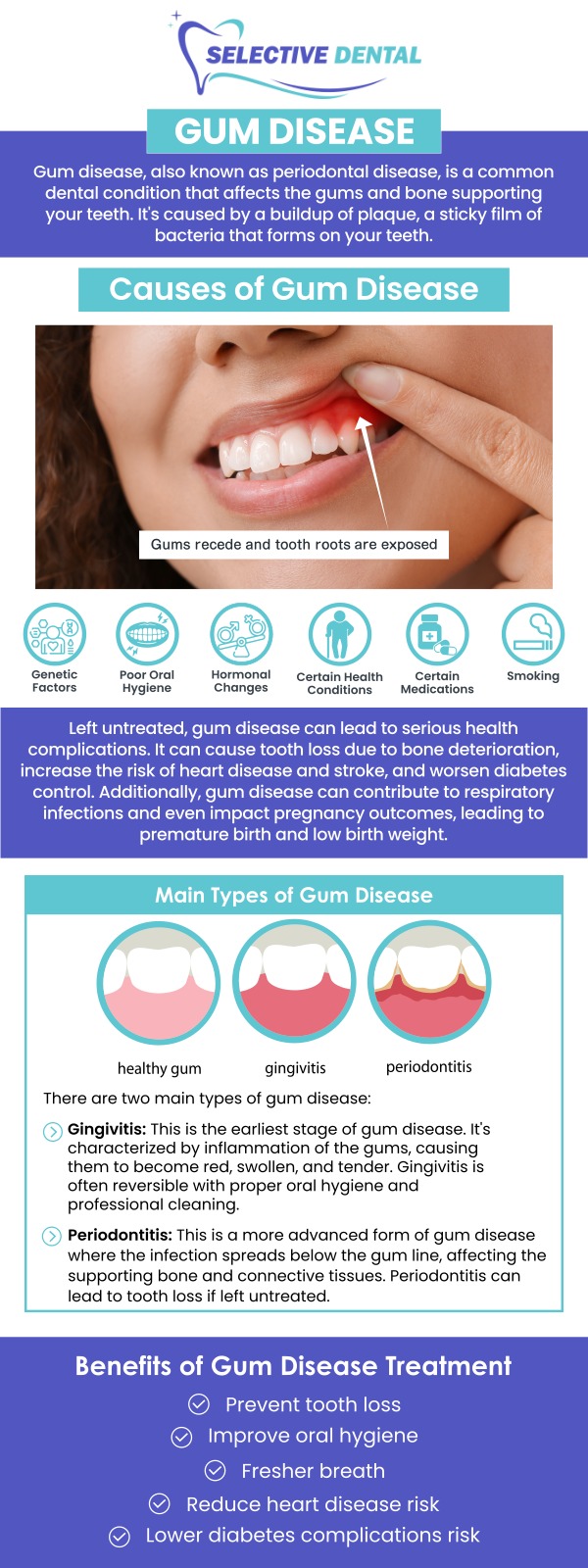
Table of Contents:
What is the most common gum disease?
What are the early signs of gum disease?
What are the causes of gum disease?
What are the risk factors for gum diseases?
Can diabetes increase the risk of gum disease?
How does smoking affect gum health?
Can hormonal changes make gums more vulnerable to disease?
Does stress contribute to gum disease risk?
Can gum disease run in families?
Can crooked teeth contribute to gum problems?
Can grinding or clenching the teeth affect gum health?
Can nutrition influence the risk of gum disease?
How Can Dr. Victoria Vuong, DDS, Help Identify the Causes of Gum Disease?
Where Can Patients From Evergreen, Milpitas, Cupertino, and Los Gatos Learn About Gum Disease Causes?
What Languages Are Available for Gum Disease Care at Selective Dental?
Gum disease commonly develops when plaque containing bacteria builds up around the teeth and along the gumline. When plaque is not removed consistently through brushing, flossing, and professional dental care, it can irritate the gums and may harden into tartar. Over time, inflammation can progress below the gumline and affect the tissues and bone that help support the teeth.
Although plaque buildup is the main cause, several factors may increase a person’s risk of developing gum disease or make an existing condition more difficult to manage. These can include smoking, diabetes, genetics, hormonal changes, stress, crowded teeth, certain health conditions, and inconsistent oral hygiene. At Selective Dental in San Jose, CA, Dr. Victoria Vuong, DDS, and our team evaluate these factors to help patients better understand their periodontal health.
Millions of people around the world experience gum disease, a common oral health issue. Gingivitis, a mild form of the disease that causes gum inflammation and irritation, is the most common type of gum disease. Poor oral hygiene practices such as infrequent brushing and flossing are the main causes of gingivitis. Plaque, a bacterial film that sticks to teeth and hardens, can accumulate and lead to swollen and red gums.
With proper oral hygiene and routine dental cleanings, gingivitis can often be reversed. Gum disease can be prevented by brushing twice a day, flossing every day, and using mouthwash. In addition, quitting smoking, eating a healthy diet, and reducing stress can also improve gum health.
Gingivitis can develop into periodontitis, a more serious form of gum disease, if it is not treated properly and promptly. Periodontitis damages the bone and tissues that support the teeth, which can result in tooth loss and other severe oral health issues. To avoid complications, it’s wise to visit the dentist regularly to catch and treat gum disease at an early stage.
Common early signs of gum disease include:
• Red, swollen, or tender gums – Gums that are inflamed, swollen, irritated, or tender can be an early indication of gum disease.
• Persistent bad breath – Bad breath that doesn’t go away despite brushing, flossing, or mouthwash use can be a warning sign of gum disease.
• Receding gums – Gums that pull away from the teeth often indicate gum disease.
• Bleeding gums – If your gums bleed easily when you brush or floss, it may be a sign of gum disease.
• Changes to your bite – Gum disease can alter how your teeth bite and chew.
• Loose teeth – As gum disease worsens, teeth may become loose or move.
Gum diseases such as gingivitis and periodontitis are caused by oral bacteria that cause plaque and tartar to build up on the teeth and gums. Some of the common causes of gum disease include:
• Poor oral hygiene – Insufficient tooth brushing and flossing allow plaque to build up on teeth and gums, which can result in gum disease.
• Use of tobacco products – By interfering with the normal function of gum tissue cells, smoking or using other tobacco products significantly increases the risk of gum disease.
• Bruxism – Grinding or clenching the teeth puts excessive pressure on the gums, often leading to inflammation and eventual gum disease.
• Crooked teeth or dental appliances – Misaligned teeth or poorly fitting dental appliances can make it more challenging to clean teeth properly, increasing the risk of gum disease.
• Poor nutrition – A diet lacking essential nutrients, such as vitamin C, can weaken the immune system and increase the risk of gum disease.
There are several factors that can increase your risk of developing gum disease, such as:
• Genetics – Some people are more prone to gum disease due to their genes.
• Age – As gum recession and other oral health concerns are more prevalent in older adults, age is known to raise the risk of gum disease.
• Stress – Chronic stress can weaken the immune system and make it harder for the body to fight off infections such as gum disease.
• Hormonal changes – Hormonal levels change during puberty, pregnancy, and menopause. These changes can increase the risk of gum disease.
• Certain medications – Many medications have side effects such as dry mouth, which raises gum disease risk.
• Nutritional deficiencies – Nutritional deficiencies, such as a lack of vitamin C, impact the immune system and raise the risk of gum disease.
• Poor immune function – People with weakened immune systems due to medical conditions such as HIV or cancer are more susceptible to gum disease.
• Diabetes – Diabetes is a risk factor for developing gum disease. This is due to high blood sugar levels that can affect the health of gum tissue.
Frequently Asked Questions About Gum Disease Causes
Yes. Diabetes is associated with a higher risk of gum disease, and periodontal problems may be more severe or take longer to heal when blood sugar is not well controlled. Patients with diabetes should maintain consistent oral hygiene and regular dental examinations to help monitor their gum health.
Smoking and other tobacco use significantly increase the risk of periodontal disease. Tobacco can interfere with the body’s ability to respond to infection and may also make gum disease treatment less successful. Avoiding tobacco is an important step toward protecting long-term periodontal health.
Hormonal changes associated with stages such as puberty, pregnancy, and menopause can affect how gum tissues respond to plaque and inflammation. Maintaining good oral hygiene and scheduling regular dental visits can help identify and address changes in gum health.
Stress is recognized as a factor associated with periodontal disease. Long-term stress may influence the body’s inflammatory and immune responses and can also make healthy routines such as brushing, flossing, and regular dental visits harder to maintain.
Genetics can influence a person’s susceptibility to periodontal disease, meaning some individuals may be more prone to gum problems even when they maintain reasonable oral hygiene. A family history of gum disease makes routine dental monitoring particularly important.
Crooked or crowded teeth can create areas that are more difficult to clean thoroughly, allowing plaque to remain around the gumline. Malocclusion is also recognized among factors associated with periodontal disease, so personalized oral hygiene guidance may be helpful for patients with difficult-to-clean areas.
Teeth grinding or clenching can place additional forces on the teeth and their supporting structures. Bruxism is among the factors associated with periodontal problems, particularly when other gum disease risks are already present. A dental evaluation can determine whether grinding is contributing to a patient’s oral health concerns.
Nutrition can influence overall oral and immune health, and poor nutrition or obesity is among the factors associated with periodontal disease. A balanced diet should complement—not replace—daily plaque control, professional dental cleanings, and routine examinations.
At Selective Dental in San Jose, CA, Dr. Victoria Vuong, DDS, evaluates each patient’s gums, teeth, oral hygiene habits, dental history, and relevant risk factors to determine what may be contributing to periodontal problems. An examination may include checking for inflammation, bleeding, recession, tartar buildup, periodontal pockets, and changes in the supporting structures around the teeth.
Dr. Vuong remains the primary dentist guiding each patient’s periodontal evaluation and recommendations, while our team provides education and ongoing support. By identifying contributing factors such as plaque accumulation, smoking, diabetes, genetics, hormonal changes, or difficult-to-clean areas, we can help patients better understand their gum health and the steps that may support healthier gums.
Patients from Evergreen, Milpitas, Cupertino, Los Gatos, East San Jose, and surrounding Bay Area communities can visit Selective Dental in San Jose for personalized gum evaluations with Dr. Victoria Vuong, DDS. Our team helps patients understand how plaque buildup, oral hygiene habits, health conditions, lifestyle factors, and other risks may contribute to periodontal disease and what steps may help support healthier gums.
Selective Dental provides multilingual support to help patients understand gum disease causes, symptoms, treatment options, and preventive care. Dr. Victoria Vuong, DDS, and our team can assist patients in English, Spanish, Chinese, Filipino, and Vietnamese, helping individuals and families throughout San Jose communicate more comfortably about their oral health.
For more information, contact us today or schedule an appointment online. We are conveniently located at 3151 South White Road, Suite 203 San Jose, CA 95148. We proudly serve patients throughout San Jose CA, the Bay Area and surrounding Santa Clara County—including Evergreen CA, Silver Creek CA, Berryessa CA, Alum Rock CA, Willow Glen CA and neighboring Milpitas CA, Santa Clara CA, and Campbell CA.

Check Out Our 5 Star Reviews


Additional Services You May Need
- Dental Implants
- Dental Bridges
- Dental Crowns
- Gum Disease Treatment
- Smile Makeover
- Root Canal Therapy
- Teeth Whitening
- Dental Cleanings
- Veneers
- Cracked Tooth Treatment
- Emergency/Same-Day Services
- General Dentistry
- Cosmetic Dentistry
- Family Dentistry
- Children Dentistry
- Aesthetic Dentistry
- TMJ Treatment
- Extractions
- Emergency Dental Appointments
- Mouth Guards and Night Guards
- Ortho Retainers
- Dental Implant Crowns
- Nitrous Oxide Sedation Dentistry

Additional Services You May Need
- Dental Implants
- Dental Bridges
- Dental Crowns
- Gum Disease Treatment
- Smile Makeover
- Root Canal Therapy
- Teeth Whitening
- Dental Cleanings
- Veneers
- Cracked Tooth Treatment
- Emergency/Same-Day Services
- General Dentistry
- Cosmetic Dentistry
- Family Dentistry
- Children Dentistry
- Aesthetic Dentistry
- TMJ Treatment
- Extractions
- Emergency Dental Appointments
- Mouth Guards and Night Guards
- Ortho Retainers
- Dental Implant Crowns
- Nitrous Oxide Sedation Dentistry



 Send Text
 How May I Help You?